
Last Friday night, two American service members were killed during an Iranian missile attack on our military base in Jordan. A third was killed in Iraq detonating a downed Iranian drone. Within hours of Iran's deadly attack on U.S. forces, the response was already airborne.
President Trump didn't convene a panel. He didn't issue a strongly-worded statement through a deputy spokesperson. He used one word: "punish."
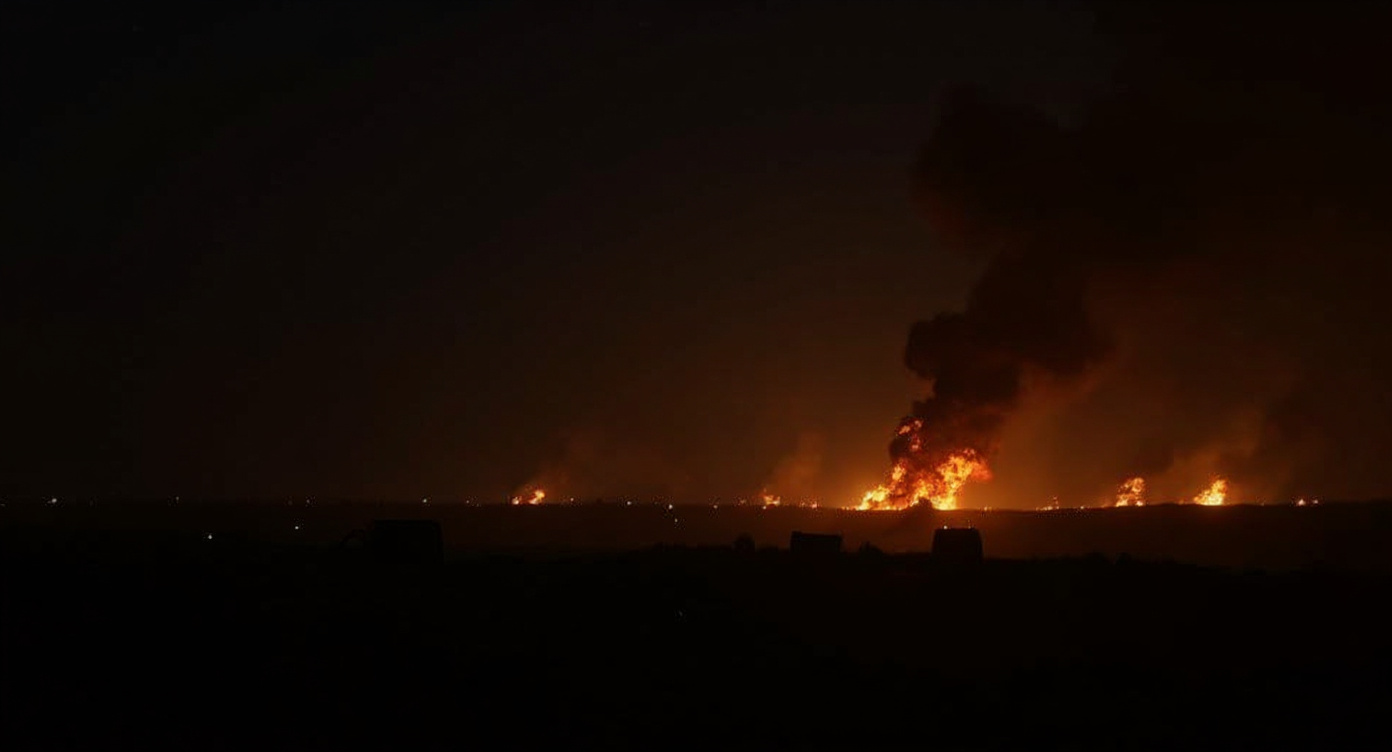
For the ninth consecutive night, U.S. forces blitzed Iranian missile depots and air defenses. The strikes targeted missile storage facilities and air defense systems — the exact hardware Tehran used to launch the barrage that killed two U.S. service members and left one still unaccounted for.
Iran's state-run media outlet admitted that at least one of the attacks occurred in Tabriz, a city about 325 miles northwest of Tehran that is believed to house an underground missile base run by the Islamic Revolutionary Guard Corps (IRGC).
Trump's response framework is disarmingly simple: you kill Americans, you get hit back. Every single night. Until the message lands.
Contrast this with the previous administration's playbook. When Iranian-backed militias attacked U.S. positions during the Biden years, we got inter-agency reviews, coalition consultations, carefully calibrated responses designed to avoid "escalation." The result was more attacks. Iran learned that American blood was cheap — the cost of doing business in the region.
Now the cost structure has changed. Nine nights of destroyed missile depots tends to clarify the math for even the most committed ideologues in Tehran.
Critics will argue this risks a wider war. They said the same thing when Trump ordered the strike on Qasem Soleimani in January 2020. Iran fired missiles at an empty base and declared victory on state television. The wider war never materialized because deterrence, when credibly applied, prevents escalation rather than causing it.
The pattern is older than any of us. Weakness invites aggression. Strength — demonstrated, repeated, undeniable strength — is the only language adversaries respect. Iran didn't launch that barrage because they feared consequences. They launched it because four years of restraint taught them there wouldn't be any.
Three families are burying U.S. service members this week.
The missile depots that made those deaths possible are rubble now. Whether that changes Tehran's calculations depends on whether night ten looks like nights one through nine.