
In one fiscal year, 2,094 Texas public school employees were investigated for inappropriate sexual or romantic relationships with students. Another 692 faced allegations of sexual abuse or assault. That's just the subcategories — the total number of sexual misconduct allegations against school personnel topped 3,000.
Those aren't new crimes. They're crimes that were finally being counted.
The Texas Education Agency logged 19,766 misconduct reports in fiscal 2026, which ended August 31 — a monthly average of 1,647. That's triple the 6,456 reports filed in fiscal 2025. The numbers weren't climbing because teachers suddenly got worse. They were climbing because Texas passed a law — SB 571, filed by State Senator Paul Bettencourt, R-Houston — that strengthened reporting requirements, mandated dashboard transparency, and established an inspector general for education misconduct. The moment the state made it harder to look the other way, the reports exploded.
The Center Square first reported the data. The breakdown is worth reading slowly. Of 13,688 investigations opened, 8,610 were referred to law enforcement. A total of 7,288 involved violence or injury to a child. There were 254 sexual crimes committed off school property, 722 drug- and alcohol-related investigations, 176 fraud cases, and 116 theft or burglary cases — all involving people trusted with other people's children.
Seventy-four percent of the reports came from school superintendents, the people who, before the law changed, had every institutional incentive to handle things quietly. Another 14% came from the Texas Department of Family and Protective Services. Ten percent were general complaints. The remaining fraction came from law enforcement.
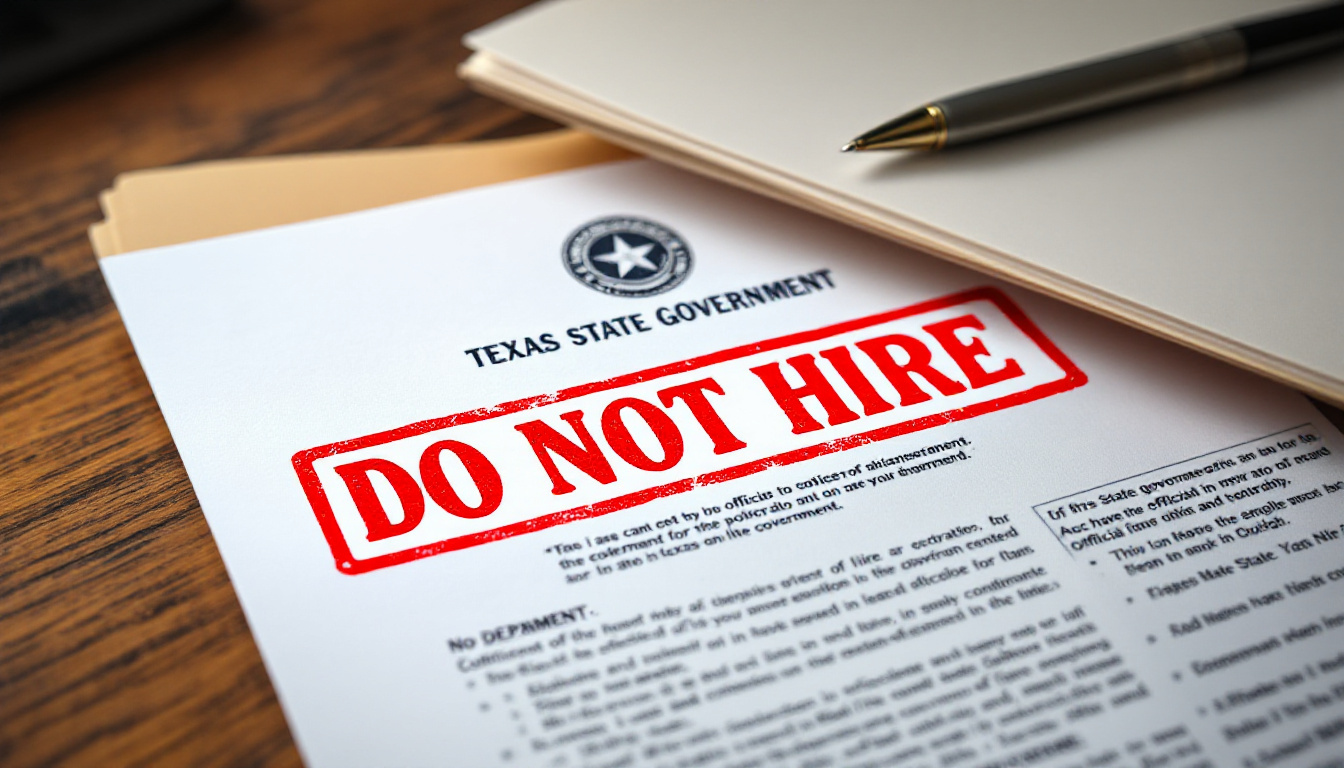
The Do Not Hire Registry hit an all-time high: 1,079 names added in fiscal 2026 alone. Since 2020, the registry has grown to 5,268 total — 3,811 added through State Board of Educator Certification sanctions, and 1,457 noncertified employees and contractors. The SBEC sanctioned 1,114 teachers in the same period. Meanwhile, criminal history fingerprint alerts from the Texas Department of Public Safety and FBI jumped to 27,655 from 23,369 the year before.
Texas employs over 320,000 public school teachers and more than 80,000 professional staff — principals, administrators, counselors. The misconduct reports account for roughly 6% of that workforce. One in seventeen.
The argument against transparency laws like SB 571 is always the same: they'll create a flood of false reports, overwhelm the system, damage innocent careers. What they actually created was a flood of referrals to law enforcement — 8,610 of them — which suggests the reports weren't frivolous. They were overdue. The system wasn't overwhelmed. It was, for the first time, functioning.
Every state has teachers. Every state has misconduct. Not every state has a law that forces the numbers into daylight. Before SB 571, Texas superintendents could quietly reassign a problem employee or accept a resignation and move on. That practice has a name in education circles — "passing the trash." The employee lands at the next district with a clean record. The kid who reported it watches them leave without consequence.
The Student Protection Resource Center, created under the same legislation, now houses the data the TEA collects. The dashboard is public. The registry is searchable. The inspector general has authority.
Forty-nine other states still don't have one.