
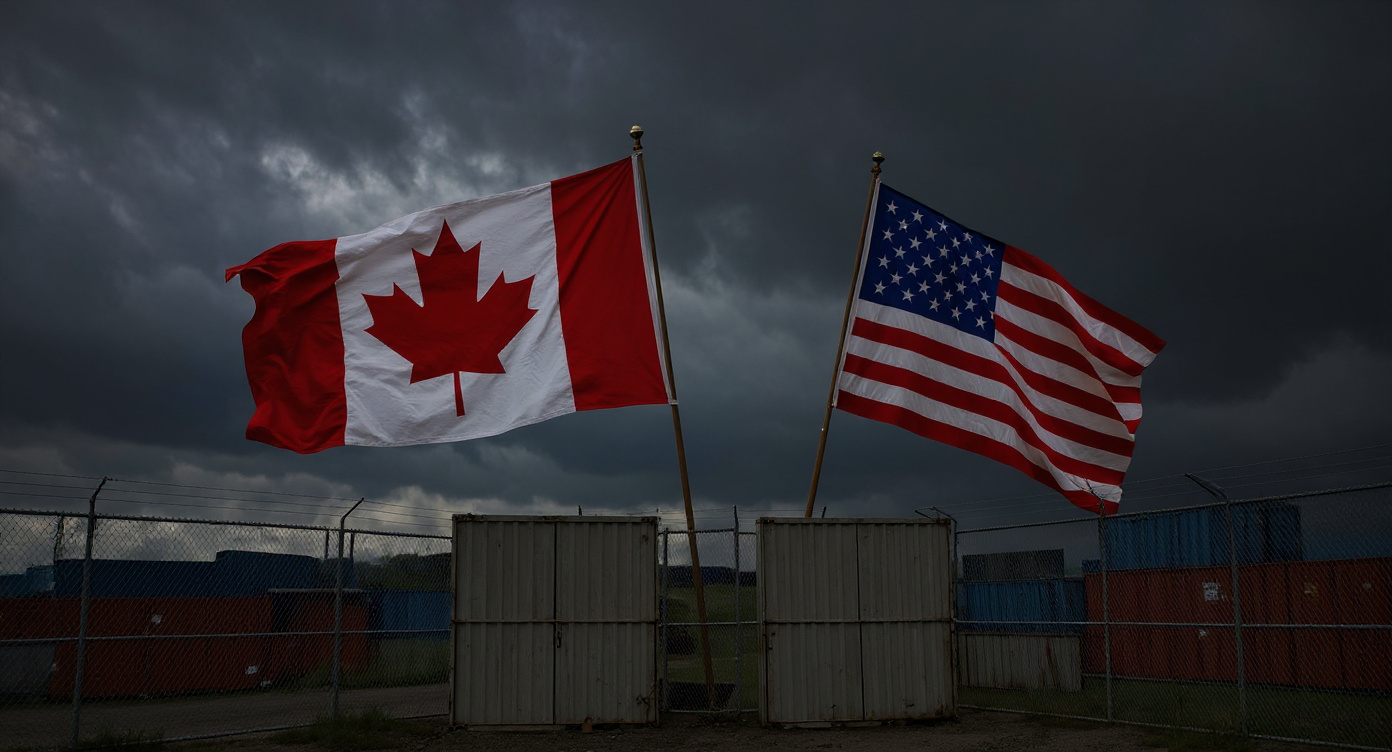
Canadian Prime Minister Mark Carney had a deal on the table. The United States Trade Representative said it was the best treatment offered to any major exporter to the American market. Carney walked away from it. Within hours, President Trump imposed 50% tariffs on $20 billion worth of Canadian goods.
That's not a negotiation tactic. That's a consequence.
The USTR released a statement on August 22 that laid out exactly what happened: "Tonight, Canada declined to finalize the trade deal under the terms agreed earlier this week." The statement continued that "new demands and walk-backs of other commitments by Canada have upended the careful balance reached in the past days." In other words, Canada agreed to terms, then tried to renegotiate after the handshake.
The tariffs invoked Section 338 of the Tariff Act of 1930 — a provision that allows the president to impose duties when a foreign country discriminates against American commerce. The 50% rate applies broadly, but the administration also outlined sector-specific measures: 25% on steel and aluminum, 15% on automotive imports, and a 10% levy on Canadian lumber.
The USTR made a point of noting that the offer Canada rejected would have given it preferential access: "This is a missed opportunity for Canada to partner with the United States, which is the fastest-growing economy in the G7." That line does a lot of work. It frames Canada not as a victim of American aggression but as a country that turned down the best seat at the best table.
Carney's background makes this more interesting, not less. Before entering politics, he served as Governor of both the Bank of Canada and the Bank of England, and as Chairman of Brookfield Asset Management — a firm that held $23 billion in China-linked assets as of 2021. He's not some populist firebrand winging it on trade. He's a former central banker who looked at the numbers and still chose to blow up the deal. That's not inexperience. That's calculation.
The question is what Carney thought would happen. The US-Mexico-Canada Agreement was already under strain. Trump has made his position on trade imbalances as subtle as a car alarm for the better part of a decade. Walking away from a deal the USTR called the most generous offer to any major trading partner doesn't read like hardball negotiation — it reads like someone who decided the political upside of defying Trump at home was worth the economic downside of tariffs on Canadian exporters.
Canadian dairy farmers, lumber producers, and steelworkers are now staring at a 50% wall. The Americans buying those goods will adjust — they always do. The Canadians selling them have fewer options. That's the math Carney chose.